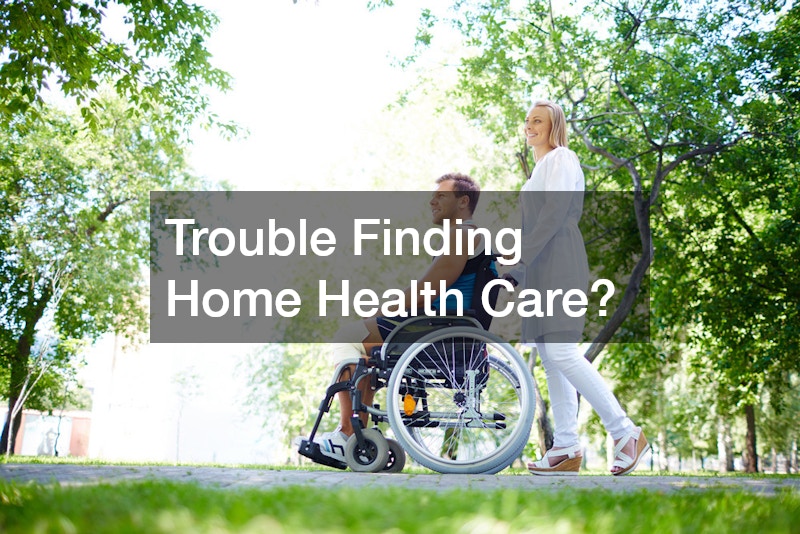
In today’s aging society, the demand for home health care services has escalated, yet many face significant hurdles in sourcing reliable and expert providers. These services, while crucial for facilitating the elderly and those with chronic conditions to remain in their homes, encounter various industry challenges. Understanding the unique dynamics at play aids not only consumers but also shapes policies in this crucial healthcare sector.
1. What Are the Challenges in Finding Qualified Home Health Care Providers?
1.1 Limited Availability of Skilled Professionals
The current market for home health care services suffers from a notable scarcity of skilled professionals. As demand outpaces supply, countless families find themselves on long waiting lists.
This shortage not only affects patient care but also places tremendous strain on existing health care workers. With an aging baby boomer generation, the pressure mounts, creating an urgent need for more comprehensive training and incentives to attract new professionals. Additionally, many trained professionals are switching careers due to burnout, compounding the issue.
1.2 Geographic Limitations and Accessibility
For those living in rural or remote areas, accessing high-quality home health care becomes significantly more challenging. Due to geographic constraints, these patients might encounter fewer service providers and higher costs. Limited accessibility often means that patients might have to resort to using less experienced caregivers. Solving this issue could involve innovative solutions, such as leveraging telehealth and remote monitoring technologies. However, without adequate internet infrastructure, even these solutions face hurdles in execution.
1.3 Cost and Insurance Coverage Issues
Home health care can be financially burdensome for many families, particularly when insurance and Medicare coverage fall short. While some insurance plans cover a portion of home health care costs, out-of-pocket expenses can accumulate quickly over time. The convoluted nature of insurance policies often leaves families overwhelmed and unclear about their options. Bridging this gap will require better education and streamlined processes for the insured. Moreover, legislators play a critical role in reforming policies for improved clarity and coverage.
2. How Can One Assess the Quality of Home Health Care Providers?
2.1 Research and Background Checks
Conducting thorough research and background checks is an essential first step in assessing local home care providers. Families should gather information through various platforms, ensuring that providers have a reputable track record. Online databases and review platforms offer invaluable insights into the experiences of other patients. Verifying credentials and previous work experience adds an additional layer of trustworthiness. Ultimately, a systematic approach to gathering information instills confidence in choosing the right care provider.
2.2 Client Reviews and Testimonials
Client reviews and testimonials provide authentic feedback about the service quality of home health care providers. Reading reviews can highlight recurring issues or praise-worthy attributes of certain individuals or agencies. Some platforms curate verified testimonies, offering more credibility and reliability to potential clients. However, it is essential to approach reviews critically, acknowledging that experiences can be subjective. Balancing multiple perspectives often leads to a more informed decision.
2.3 Accreditation and Certifications
Accreditation and certifications serve as critical indicators of a provider’s competence and commitment to quality care. Esteemed accreditation bodies establish rigorous standards, ensuring consumer trust and service excellence. Families seeking dependable home health care should prioritize providers with recognized certifications. These certifications not only underscore professional training but also adherence to ethical practices. Continuous education and recertification underscore a provider’s dedication to maintaining excellence in their field.
3. What Types of Home Health Care Services Are Available?
3.1 Skilled Nursing Services
Skilled nursing services encompass a broad range of medical care provided by licensed nurses. These professionals manage complex medical needs, such as wound care, medication administration, and health monitoring. For patients with chronic conditions or post-operative requirements, skilled nursing offers lifesaving interventions within the comfort of their homes. Ensuring these nurses are highly trained and certified is critical, given the medical complexities involved. The personalized attention and expertise these services offer are integral to patient recovery and well-being.
3.2 Physical, Occupational, and Speech Therapy
Therapy services, including physical, occupational, and speech therapy, are vital components of home health care. Physical therapy aids in restoring mobility and function, while occupational therapy helps patients regain daily living skills. Speech therapy addresses communication disorders, enhancing quality of life for those with speech impairments. These therapies are often tailored to individual needs, allowing for personalized rehabilitation plans. Such comprehensive therapy services contribute significantly to the holistic recovery of patients, fostering independence and improved social engagement.
3.3 Personal Care and Hygiene Assistance
Personal care services are essential for those who face challenges in daily activities, offering assistance with bathing, grooming, and other hygiene tasks. These services not only maintain dignity and comfort but also prevent the development of secondary health problems. Trained caregivers ensure that personal care is delivered with respect and sensitivity, catering to the varied needs of different patients. Encouraging autonomy while providing necessary support can vastly improve the quality of life for care recipients. These services often provide much-needed respite and peace of mind for family caregivers.
The intricate web of challenges and opportunities within home health care reflects the sector’s critical function in supporting an aging population. Overcoming current obstacles necessitates cross-sectoral collaboration, innovation, and definitive regulatory support. With the industry poised for transformation, the potential for improved access, affordability, and quality of care offers promising glimpses of the home health care’s future. Through concerted efforts, families and providers can collectively advance, ensuring equitable, patient-centered care for all. Acknowledging this evolving landscape illuminates the path to empowered, sustainable health care solutions.