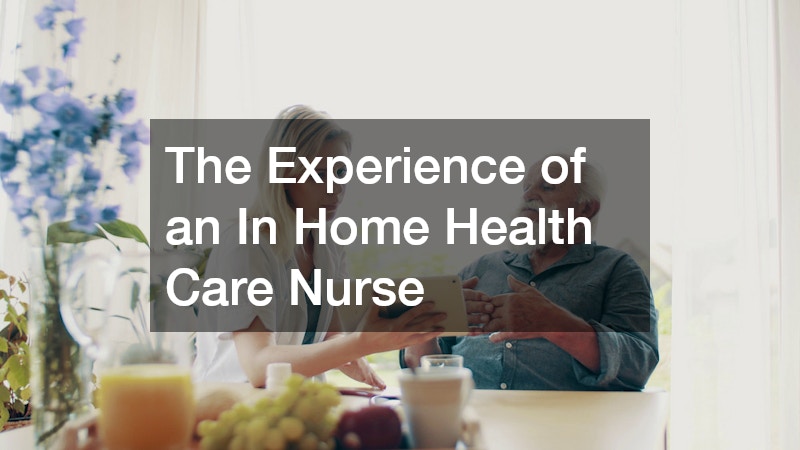
The life of an in home health care nurse is challenging and rewarding, providing essential care in patients’ homes. This article explores the role’s diverse aspects, challenges, and impacts.
1. Essential Duties of an In Home Health Care Nurse
1.1 Assessing Patient Needs
Nurses evaluate health status and develop care plans, addressing medical conditions and preferences. They review medical histories, collaborating with patients and families to build trust and enhance satisfaction.
The tailored care approaches ensure that each patient’s needs are met with sensitivity and professionalism.
1.2 Administering Treatment
They perform procedures like medication administration and wound care, following protocols to ensure patient safety. Adaptability is key to managing unique home challenges. Each home presents a unique environment that influences the delivery and monitoring of treatments.
1.3 Monitoring Patient Health
Routine checks on vital signs facilitate timely interventions. Monitoring promotes early detection, continuity, and reduces hospital visits. This proactive approach significantly contributes to preventive health care, supporting long-term patient health.
1.4 Educating Patients and Families
Educating on health management and lifestyle promotes autonomy. Effective communication ensures comprehension and reduces family anxiety. The knowledge shared empowers families, further enhancing the care environment.
1.5 Maintaining Medical Records
Accurate documentation supports care continuity and legal compliance. Skilled record management aids in creating thorough care plans. These records also serve as valuable resources for other healthcare providers involved in the patient’s care journey.
2. Path to Becoming an In Home Health Care Nurse
2.1 Educational Requirements
A nursing degree like ADN or BSN is required, emphasizing clinical skills for diverse environments, with additional courses in home care. Continuous learning and skill enhancement are crucial for adapting to the evolving healthcare landscape.
2.2 Required Certifications
Beyond education, nurses need certifications like NCLEX-RN. Specialized certifications enhance understanding and patient care. These credentials validate the competencies vital for maintaining high standards in patient care.
2.3 Skill Development
Essential skills include communication, technical abilities, and problem-solving. Continuous refinement ensures high-quality care delivery. Specialized training in communication fosters better patient-nurse relationships and enhances care outcomes.
2.4 Relevant Experience
Hands-on experience through placements and internships is crucial, complemented by mentorship to foster confidence and expertise. Such experiences are instrumental in navigating real-world challenges encountered in home care settings.
2.5 Career Advancement Opportunities
Specialization opens opportunities in education, management, and consulting. Advanced roles and education foster leadership and innovation. Developing these skills positions nurses as leaders in the healthcare community, influencing positive changes and patient outcomes.
3. Challenges Faced by In Home Health Care Nurses
3.1 Managing Diverse Patient Needs
Care requires flexibility and collaboration with professionals to tailor plans, ensuring effective treatment and patient engagement. Navigating cultural and personal preferences adds complexity but enhances the interpersonal success of care plans.
3.2 Patient Safety Concerns
Addressing home safety challenges involves hazard assessment and emergency preparedness, maintaining vigilance against risks. Each home environment demands a unique risk management strategy to ensure optimal patient safety.
3.3 Emotional Stress
Close relationships pose emotional challenges, necessitating stress management and support resources to prevent burnout. Finding a balance between empathy and professionalism is key to maintaining personal well-being and job effectiveness.
3.4 Work-Life Balance
Irregular hours and travel may strain relationships, requiring time management and self-care strategies for resilience. Developing a support system and coping strategies aids in managing the demands of the job effectively.
3.5 Coordination with Healthcare Providers
Effective communication is vital for seamless care delivery, necessitating readiness to navigate complex care dynamics. Coordinating with a multi-disciplinary team strengthens the quality of comprehensive patient care offered.
4. Impact on Patients and Their Families
4.1 Enhancing Patient Comfort
Home care fosters comfort and adherence by aligning interventions with patient preferences in familiar settings. This setting encourages open communication and a more personalized care approach.
4.2 Improving Health Outcomes
Nurses empower patients with personalized interventions, enhancing quality of life and reducing hospital admissions. Being at home gives patients a sense of normalcy and control, positively impacting recovery and satisfaction.
4.3 Reducing Hospital Readmissions
Through continuous support and education, nurses prevent hospital returns, promoting independence and adherence. Implementing preventive measures at home can effectively mitigate health deterioration risks.
4.4 Offering Emotional Support
Nurses provide emotional backing, fostering trust and psychological comfort, enhancing patient and family interactions. This aspect of care is often as significant as physical care in ensuring holistic patient well-being.
4.5 Promoting Independence
Promoting autonomy in health management through skills training ensures improved quality of life and dignity. The empowerment gained through independence fosters greater patient satisfaction and long-term health benefits.
In home health care nurses are vital, offering tailored care to improve outcomes as demand and opportunities grow in this field.